For brands investing in BTL marketing Kenya campaigns, the temptation to pause everything during demonstrations is understandable but the cost of total absence is almost always higher than the cost of adapting.
They are part of the operating environment and for any BTL activation agency, experiential marketing agency, or brand manager operating in Kenya and East Africa, planning for disruption is not optional. It is a core part of responsible campaign strategy.
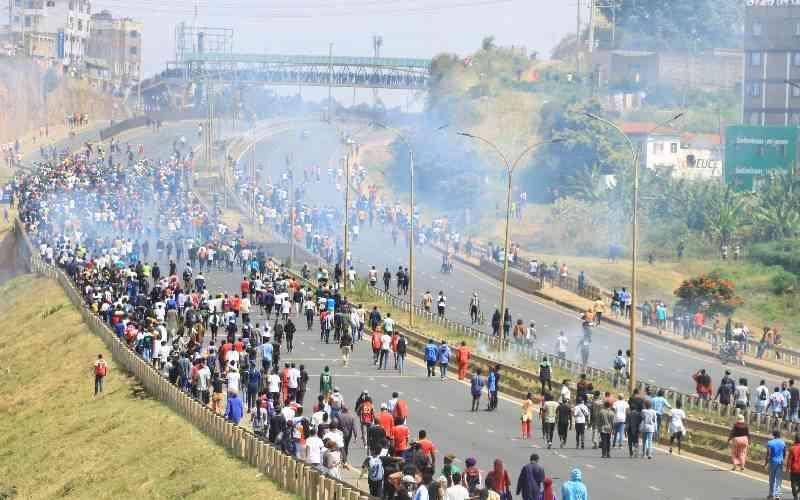
From student protests to civil society marches, from political demonstrations to spontaneous unrest triggered by economic frustration the Kenyan market has always operated alongside the reality of periodic disruption. Roads close. Malls reduce hours. Field teams get sent home. Brands go quiet.
And then, sometimes within days, the streets open again. The market exhales. Life resumes.
The brands that adapt their approach are better positioned to protect momentum. The ones that disappear risk losing consumer attention and in a competitive market, that attention is hard to rebuild.
This is not a crisis management guide. It is a marketing discipline guide. Because in Kenya and across East Africa, the brands that win long term are the ones that have figured out how to maintain relevance even when the physical environment makes traditional activation impossible.
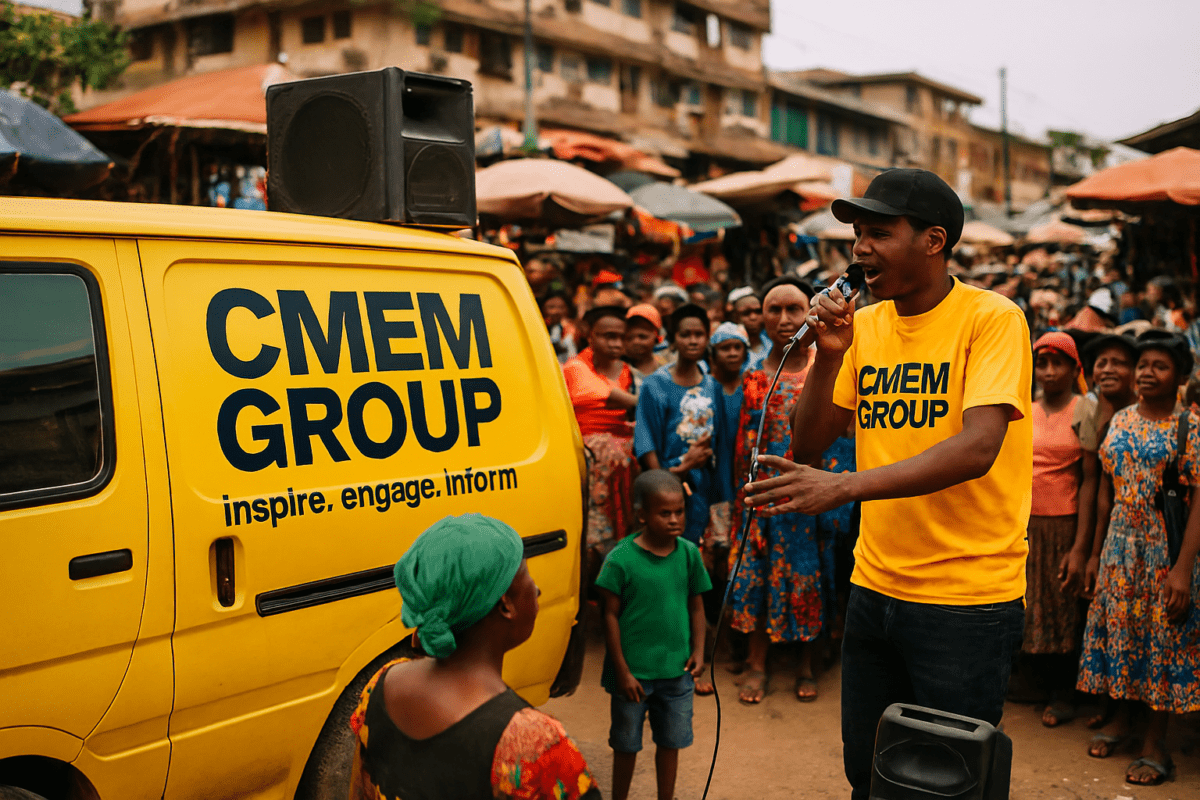
At CMEM Group, a BTL activation agency and experiential marketing agency operating across Kenya and East Africa, we have observed one consistent pattern across every disruption cycle: the brands that adapt stay ahead. The ones that go dark fall behind. Every time.
THE INSTINCT TO GO QUIET — AND WHY IT COSTS MORE THAN YOU THINK
When demonstrations hit, the first instinct for most brand managers is understandable.
Pull the field teams. Pause the activation. Wait for calm. Resume when it’s safe.
This feels responsible. In many cases it is responsible particularly in areas where tension is genuinely high and the safety of field teams must come first.
But there is a difference between pausing wisely and going completely dark. And most brands in Kenya don’t make that distinction. They treat the entire country as a single risk zone, pull everything simultaneously, and disappear from consumer consciousness at exactly the moment when competitors are doing the same.
The result is a market-wide absence. Every brand goes quiet at the same time. And the brands that find a way to remain visible even in a reduced, adapted form capture disproportionate attention precisely because everyone else has left the room.
Consumer memory does not pause during demonstrations. People are still waking up, still shopping in their neighbourhoods, still scrolling their phones, still making purchasing decisions. The market does not stop. Most brands just decide to.
STRATEGY 1: SEPARATE RISK ZONES FROM SAFE MARKETS
The most expensive mistake a brand can make during demonstrations is treating Kenya as one undifferentiated risk environment.
Different counties, neighbourhoods and trade zones experience disruption differently. While some areas are significantly affected, others continue operating normally and the brands that understand this distinction deploy smarter, not less.
A brand that pulls its entire national field operation because of demonstrations in one part of Nairobi is making a boardroom decision that does not reflect the reality on the ground.
The intelligence needed is hyperlocal not national.
Work with your BTL activation agency to build a real-time county-level risk map. Identify which markets are affected, which are calm, and which are actually seeing increased consumer traffic because people are avoiding affected areas and concentrating activity in safer neighbourhoods.
Redeploy. Don’t retreat.
STRATEGY 2: WHEN PHYSICAL IS BLOCKED, DIGITAL MUST INTENSIFY
The moment physical activation pauses, digital presence must fill the gap.
During demonstrations, Kenyan consumers do several things consistently. They stay home or closer to their neighbourhoods. They spend more time on their phones. They follow news and social media closely. WhatsApp groups become the primary communication channel for community information.
This is not a moment for brands to go silent on digital. It is the moment to intensify.
For BTL and experiential marketing agencies in Kenya, digital continuity during disruption is no longer optional it is a core part of responsible campaign planning.
Content that acknowledges the environment without taking political sides. Community-relevant messaging that shows the brand understands what consumers are experiencing. Useful information. Moments of levity where appropriate. Consistent visibility across digital touchpoints because that is where your consumer is right now.
The brands that maintain digital presence during disruption are better positioned to protect recall and accelerate recovery when normal activity resumes.
STRATEGY 3: YOUR FIELD TEAMS ARE INTELLIGENCE ASSETS
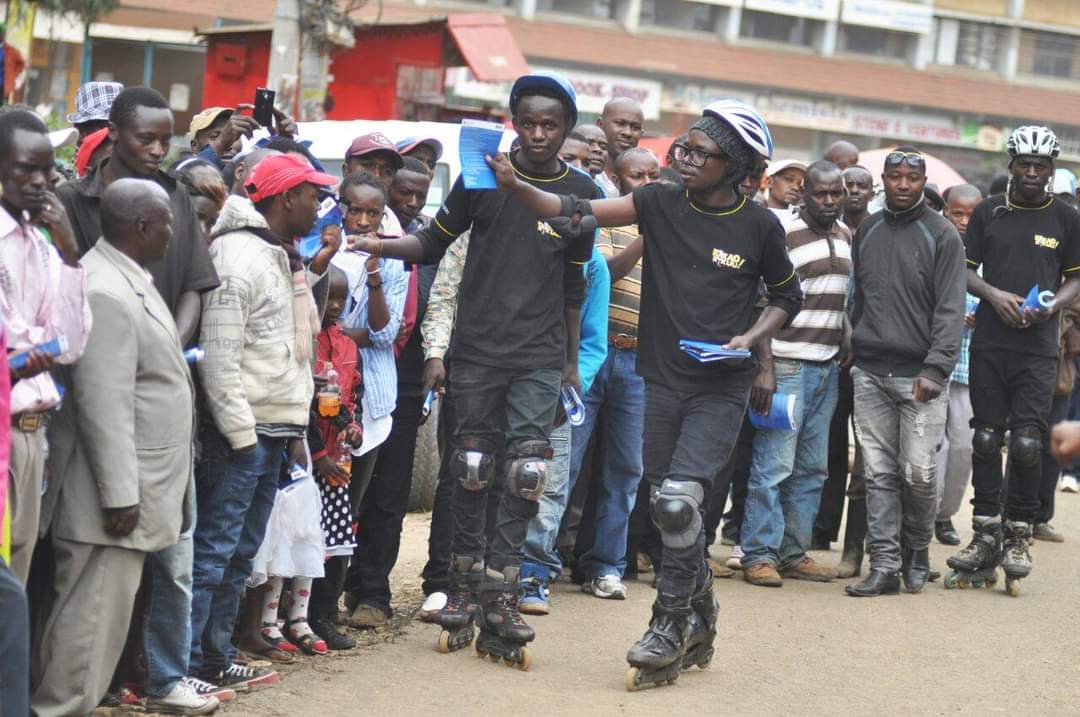
When demonstrations make activation impossible in certain areas, field teams become something more valuable than promoters they become your eyes and ears on the ground.
A well-structured field team knows their territory. They know which roads are open, which markets are trading, which areas are calm, and where consumer footfall has actually increased because people are concentrating their activity in safer zones.
This intelligence if captured and acted on quickly allows brands to redeploy resources to high-opportunity markets in real time rather than simply standing down and waiting.
This is where modern BTL agencies create value. The role is no longer simply about deploying teams into markets; it is about understanding movement, behavior, and opportunity, then adjusting execution in real time.
Brief your field teams not just on activation mechanics but on situational awareness and market intelligence reporting. The information that flows from the ground up during a disruption period is more valuable than any boardroom risk assessment because it reflects what is actually happening, not what is assumed to be happening from a distance.
This is a core part of how CMEM Group supports clients during uncertain periods, combining field intelligence with adaptable execution across Kenya and East Africa.
STRATEGY 4: COMMUNITY EMPATHY WITHOUT POLITICAL POSITIONING
There is a fine line during demonstrations between empathy and politics and most brands get it wrong in one of two ways.
They either take a political position which alienates a significant portion of their consumer base regardless of which side they choose.
Or they go completely silent which communicates indifference to what their consumers are experiencing.
Neither is the right approach.
The brands that build the strongest loyalty during periods of civil unrest are the ones that find the human middle ground. They acknowledge that things are difficult without assigning blame. They lean into themes of community, resilience, and everyday normalcy. They show up without trying to capitalise on the moment or comment on the politics of it.
Stay human. Stay out of the politics.
A beverage brand that keeps its community messaging warm and consistent during a difficult week builds more long-term affinity than one that either goes silent or tries to align itself with a political narrative.
Consumers remember which brands felt like they were part of the community during hard times. And they remember which ones simply disappeared.
STRATEGY 5: PROTECT YOUR RETAIL VISIBILITY
Even when field activations are paused and digital budgets are being managed carefully, retail visibility can hold through almost any disruption period.
POS materials in stores. Branded fridges. Shelf presence. End-of-aisle displays.
These assets don’t require a field team on a street corner. They work quietly and continuously through the full disruption period maintaining brand presence at the point of purchase even when no human activation is possible.
The strategic imperative is to ensure retail visibility is locked in before disruption hits not scrambled for after the fact. A brand that has strong shelf presence and well-placed POS materials going into a disruption period maintains consumer awareness through it without requiring any additional activation spend.
This is one of the most underrated and cost-effective strategies in the BTL marketing playbook during uncertain periods and one that every brand operating across Kenya and East Africa should have built into their standard activation framework.
An activated outlet carrying your branding sends a signal to consumers every day even when your field team is standing down and your activation budget is paused.
STRATEGY 6: PLAN THE RE-ENTRY BEFORE THE DISRUPTION ENDS
The most important activation during any demonstration period is often the one that happens immediately after.
When calm returns and in Kenya, calm almost always returns quickly, consumers exhale. The suppressed spending and delayed purchasing decisions that built up during the disruption period are released rapidly. Businesses reopen. Footfall recovers. Consumer confidence bounces back faster than most brands expect.
The brands that are positioned to move immediately with field teams briefed, creative ready, and activation plans locked capture this bounce disproportionately compared to brands that are still dusting off their materials and getting back into position.
Plan your post-disruption re-entry before the disruption ends.
Brief your agency. Have your field teams rested and ready. Know exactly which markets you will hit first and in what sequence. When the streets open, be the first brand back on them.
Because in the post-disruption window, the consumer’s attention is unusually available. The noise has cleared. The brands that show up first and most confidently in that moment build recall that lasts long after the disruption is forgotten.
THE BRANDS THAT WIN ARE THE ONES THAT NEVER REALLY LEFT
Kenya’s market has navigated demonstrations, protests, election unrest, and economic disruption consistently across decades. The market has always recovered. Consumer spending has always resumed. Life has always gone on.
The brands that build their activation strategies around the full cycle of disruption and recovery not just the calm periods are the ones that compound their market position over time.
Going dark is a choice. So is adapting.
And in marketing, the brands that adapt are the ones that get remembered.
Read our breakdown of how brands should plan their marketing around Kenya’s 2027 election cycle: Kenyan Brands in Elections
And why Kenyan consumers trust people more than brands: Kenyan Consumers Trust People
And our breakdown of BTL marketing ROI and how to measure what activations actually deliver: BTL Must Prove ROI
Partner with CMEM Group to build activation strategies designed for real market conditions — from disruption to recovery.

 Centro Insights