
Brand Activations Kenya: Measuring the ROI of Van Activations and Roadshows — Beyond Visibility
There is a familiar scene at the end of almost every activation campaign.
The branded van returns to the yard. The roadshow team packs away the banners. Hundreds of photographs have been taken. Reports highlight the number of people reached, samples distributed and kilometres covered. The campaign is declared a success.
Then someone asks a question that is far more important than all the numbers in the report.
Was it worth the investment?
That question sits at the heart of every Brand Activations Kenya campaign today.
Our previous Centro Insights article generated thoughtful discussion across the marketing community. That conversation reminded us of something important. Visibility matters. It always has. Without visibility, brands struggle to build awareness, create conversations or introduce new products to the market.
But visibility was never meant to be the final measure of success.
From “Who Saw It” to “What Changed”
As marketing budgets become more scrutinised and organisations demand greater accountability, the conversation is shifting from How many people saw the campaign? to What changed because of the campaign? That is the question that defines the ROI of van activations and roadshows, and it is one every marketing leader should be asking.
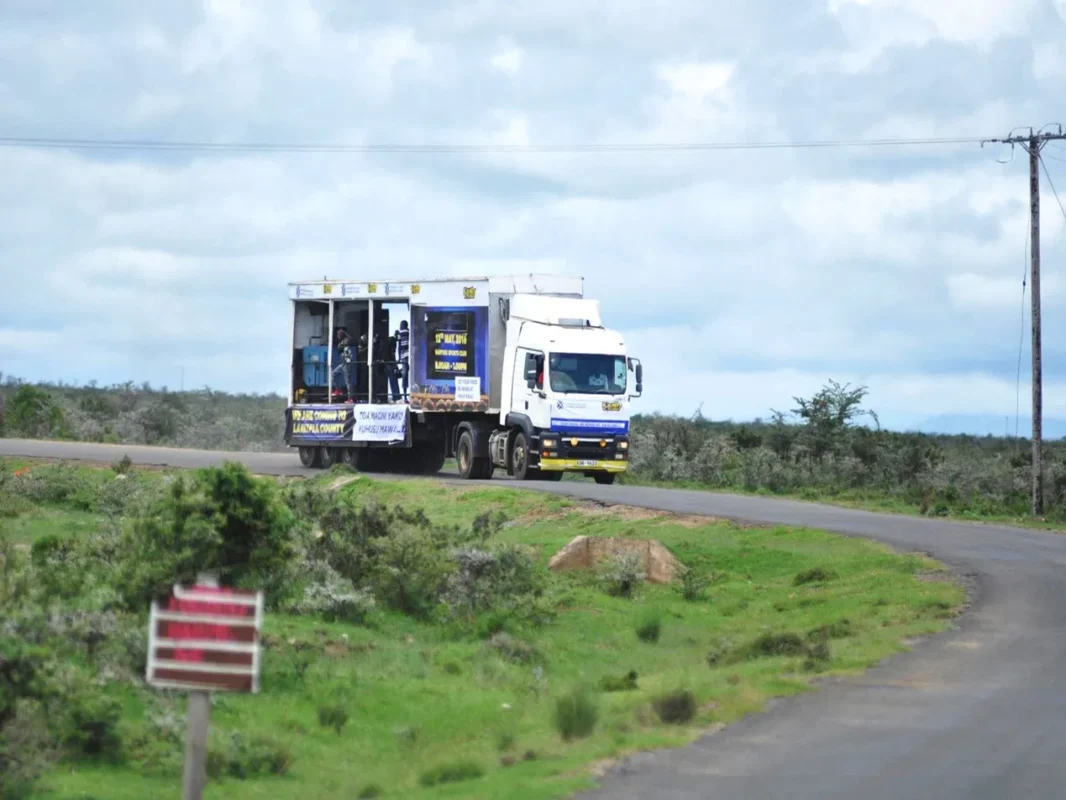
Van activations and roadshows remain among the most effective forms of experiential marketing. They bring brands closer to consumers, create genuine human interaction and allow businesses to reach communities that digital advertising alone may never influence. Whether launching a new product, supporting retailers or building trust in a brand, few marketing channels create the same level of personal engagement.
Yet the success of many campaigns is still measured by activity rather than impact.
A large crowd does not automatically translate into increased sales.
A thousand product samples do not necessarily create loyal customers.
An impressive gallery of photographs is not proof that a campaign delivered business value.
Brand Activations Kenya: Two Brands, Same Budget, Different Outcomes
Imagine two brands investing the same amount in nationwide van activations — the kind of roadshows that have become a staple of BTL marketing in Kenya.
Both attract thousands of consumers. Both generate social media content. Both distribute promotional merchandise. Both receive positive feedback from the public.
Six weeks later, one brand records increased sales in the activation regions, stronger retailer relationships and higher product demand. The other has a beautifully designed campaign report but cannot confidently explain whether consumer behaviour changed at all.
From a distance, both campaigns appear successful.
From a business perspective, only one can demonstrate a return on investment.
Where Measurement Actually Begins
That difference begins long before the first activation vehicle leaves the warehouse.
The most effective campaigns start with a clear understanding of what success should look like. For one brand, success may mean introducing a new product into the market. For another, it may involve increasing sales in a specific region, generating qualified leads or strengthening relationships with retail partners.
When objectives are clearly defined, measurement becomes meaningful.
Instead of simply counting the number of people who attended an activation, brands begin asking deeper questions.
Did consumers try the product? Did they make a purchase? Did retailers place additional orders after the campaign? Did more people return to buy again in the following weeks? Did the activation influence consumer behaviour in a measurable way?
These are the questions that transform marketing from an expense into an investment.
The Tools Already Exist
Fortunately, measuring experiential marketing has become easier than ever before.
QR codes can track engagement in real time. Digital coupons reveal which consumers converted into customers. Customer relationship management systems help brands monitor repeat purchases. Retail sales data can show whether product movement increased after an activation. Mobile surveys provide immediate consumer feedback, while location based reporting helps marketers understand which areas delivered the strongest results.
The tools are available.
The challenge is choosing to measure what truly matters.
Visibility Is Chapter One, Not the Whole Story
This does not diminish the importance of visibility.
Visibility remains the first chapter of every successful activation. It captures attention, introduces products and creates memorable experiences that digital channels often struggle to replicate. Without visibility there is little awareness, and without awareness there is little opportunity for growth.
But awareness is only the beginning of the story.
The true value of a van activation or roadshow is revealed after the music stops, the tents come down and the branded vehicles drive away. It is found in stronger sales, improved distribution, repeat purchases, increased customer loyalty and lasting business growth.
The Next Era of Experiential Marketing
Experiential marketing has entered a new era.
The brands that will lead tomorrow are not necessarily those with the largest stages, the loudest sound systems or the biggest crowds. They will be the brands that combine memorable experiences with measurable outcomes and can confidently demonstrate how every campaign contributed to business performance.
That is the future of van activations and roadshows — a theme we return to often on Centro Insights.
More importantly, it is the future of accountable marketing.
Visibility starts the conversation. Measurable outcomes determine whether the conversation was worth having.
Crowds are easy. Off-take is the hard part.
If your last activation report couldn’t answer “did anything change,” it’s time for a partner who builds measurement in from day one. CMEM Group runs brand activations across Kenya and East Africa engineered for sales, not just selfies.

 Centro Insights