Kenyan brands preparing for the 2027 elections need to start planning now not in June next year when the scramble begins.
That is not a political statement. It is a marketing calendar fact and one that most brand managers in Kenya are not yet acting on.
In roughly twelve months, the familiar pattern will begin. Budgets will freeze. Field teams will get pulled from hotspot counties. Activations will get rescheduled to “after the election.” Brands that were building momentum will go quiet for months.
Meanwhile, consumers will still be waking up, still buying unga, still walking into supermarkets, still fuelling their cars.
The market doesn’t stop. Most brands just decide to.
Marketing will reward the companies that are ready. The ones planning now not scrambling in June 2027 are the ones that will own the market when the dust settles.
This is not a warning. This is a briefing.
WHAT HISTORY TELLS US: THE 2017 AND 2022 CYCLES
Kenya’s election cycles follow a pattern. Understanding that pattern is how you plan around it not away from it.
The Nomination Phase: February–May
This is where things quietly start shifting. Party nominations in Kenya are notoriously intense. Counties that are considered political strongholds begin to feel it first in public gatherings, in road usage, in the tone of local conversations. Field teams on the ground notice it before brand managers in boardrooms do.
In 2017 and 2022, the nomination phase was when most brands began freezing activations in specific regions without a coherent strategy. They were reacting not planning.
The Campaign Peak: June–July
This is the loudest period. Political campaigns flood outdoor space. Billboards, branded vehicles, rallies. The visual clutter in Nairobi and upcountry reaches its highest point. For BTL brands, this is a critical moment: your activation has to cut through a heavily politicised environment, or you adapt your messaging and geography.
In 2022, consumer behaviour showed a measurable slowdown as the election approached. Consumers were cautious. But they were still consuming.
Election Week and Immediate Aftermath
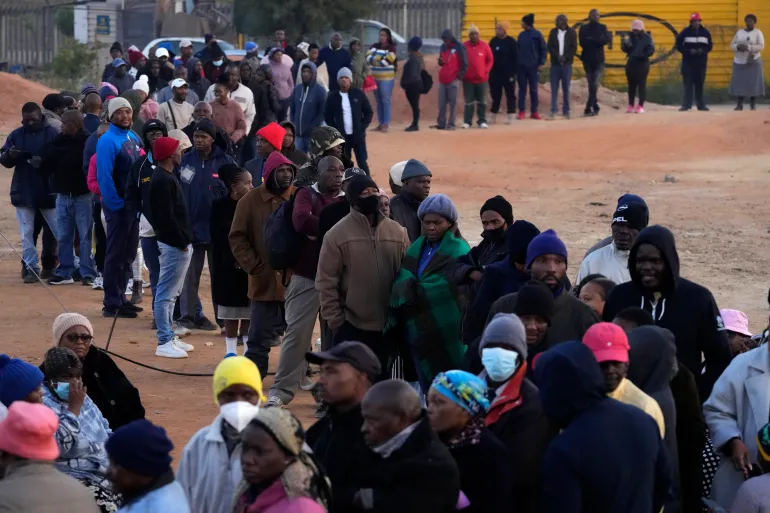
August 9, 2022. The country voted. And then it waited six days before the presidential results were announced. That suspended animation affected everything: retail footfall, business meetings, activation schedules, consumer spending decisions.
In 2017, the situation was more volatile a Supreme Court nullification of the presidential result in September created a second election cycle in October. Brands that had no contingency for that scenario were caught completely flat-footed.
The lesson: plan for more than one outcome.
Post-Election: The Bounce
This is the moment most Kenyan brands and the 2027 elections planning completely miss.
After a peaceful transition, business confidence bounces back quickly. In 2022, Kenya’s GDP growth remained at 6.0% in the first half of the year, and once the election was resolved peacefully, activity picked up fast. Consumers who had been holding back started spending again. Brands that maintained visibility during the tension period were immediately top of mind for that post-election bounce.
Brands that went dark had to rebuild from scratch at exactly the moment competitors were riding the recovery wave.
THE REAL RISK IS NOT VIOLENCE. IT’S INVISIBILITY.
The instinct to pull back during elections is understandable. But it’s worth naming what the actual risk is.
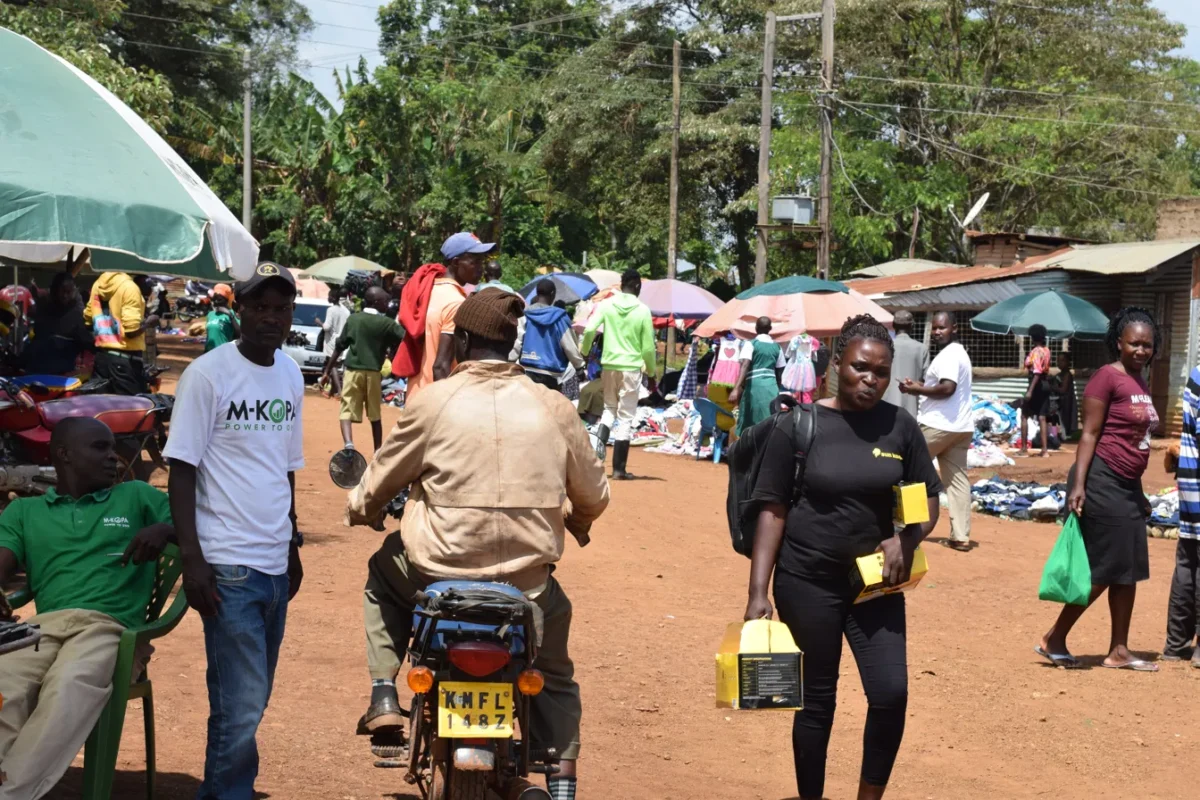
Most of Kenya’s 47 counties experience elections peacefully. Nairobi, Mombasa, Kisumu, Nakuru, Eldoret these are commercial centres that continue to function through election season. The risk is not uniformly distributed across the country.
The brands that treat Kenya as one undifferentiated risk zone during elections make a strategic error. A sampling activation in Westlands does not carry the same risk profile as a roadshow in a hotly contested constituency on election eve.
The intelligence needed is county-level, not national.
HOW TO STAY IN MARKET: A PRACTICAL FRAMEWORK FOR 2027
- Build Your County Risk Map Now Not in June 2027. Now.
Work with your activation agency to identify which counties are likely to be high-tension during nominations and during the campaign peak. Historical data from 2017 and 2022 is a reliable starting point certain constituencies have consistently been flashpoints.
Map your activation calendar against this intelligence. Identify which markets can carry your brand presence through the full period, and which ones need a contingency plan.
- Front-load Your Activations
The window from now through December 2026 is clean. No election noise, no political clutter, consumers are spending. This is when you build brand equity at the point of sale, in the estate, at the roadshow. Brands that front-load activations into the second half of 2026 enter election season with built consumer familiarity — which holds even when you reduce frequency during tension periods.
- What On-Ground Intelligence Actually Looks Like
Pulling field teams entirely during election season is a blunt instrument.
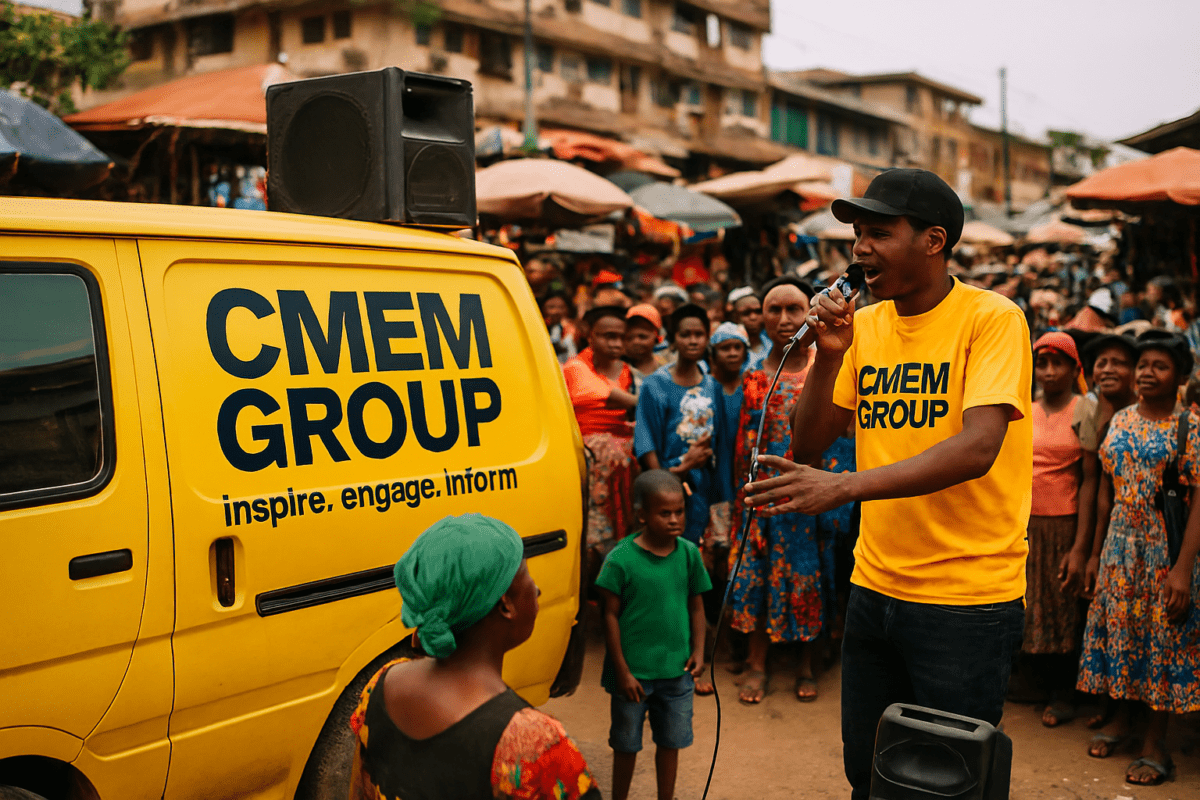
A smarter approach: redeploy them to lower-tension geographies. If Western Kenya is quiet while Nairobi heats up, your field team pivots west. The brand stays in market. The team stays employed and productive. And you’re building coverage in markets that often get neglected during normal periods anyway.
Brief your field teams on situational awareness. Not fear, awareness. They are your eyes and ears on the ground. They will know before anyone else when a specific market is getting tense.
In 2017, we pulled our field team and resources out of Kariobangi South, Nairobi County, days before a heated nomination period. We were right to do that. The intelligence came from the ground up — not from a boardroom decision. That’s the kind of read that only comes from having people who know the market, not just maps of it.
- Adapt Your Messaging Without Going Neutral
There is a difference between brand safety and brand silence. You do not need to run political messaging. You don’t need to associate with any candidate, party, or coalition. What you do need is messaging that is human, grounded, and relevant to what consumers are actually experiencing which, in election season, is uncertainty about the future.
Brands that lean into themes of community, everyday resilience, and consistent quality during election periods tend to build stronger affinity than brands that simply stay quiet.
Stay present. Stay human. Stay out of the politics.
- Protect Your Retail Visibility
Even when activations are paused in specific areas, retail visibility can hold.
POS materials in stores, branded fridges, shelf presence these don’t require a field team on a street corner. They work quietly through the full period. Ensuring your retail visibility is locked in before election season is one of the most underrated strategies in the BTL playbook.
An activated outlet that carries your branding through August sends a signal to consumers every day without requiring any on-ground presence.
- Plan the Post-Election Re-Entry Before the Election Happens.
Your most important activation of 2027 may be the one you run in September.
Post-election, when the country exhales, consumer spending bounces. People who were holding back start making purchasing decisions again. The market rewards brands that are immediately visible not brands that are dusting off their activation materials and trying to get back into position.
Plan your post-election activation now. Brief your agency. Lock your creative. Have your field teams rested and ready. When the results are announced and the country moves on, you move faster than your competitors.
THE 2027 ELECTION MARKETING READINESS CHECKLIST
We have built a practical readiness checklist for brand managers and marketing teams preparing for the 2027 election cycle. It covers five critical areas:
- Strategy — Do you have an election marketing plan independent of your regular activation calendar?
- Field Operations — Does your agency have an election-period protocol? Are your supervisors briefed?
- Retail Visibility — Is your POS presence locked in before the tension begins?
- Messaging — Is your creative review ready for a politically charged environment?
- Post-Election Re-Entry — Are you positioned to move the moment the market exhales?
You can find the full checklist with detailed line items and guidance notes for each category directly from CMEM Group.
To get your copy, reach out to us directly by clicking the button below:
Our team will get back to you within 24 hours.
THE BRANDS THAT WIN POST-ELECTION ARE THE ONES THAT NEVER REALLY LEFT
Kenya has run competitive elections since 2002. The market has navigated every one of them.
One year from now, the tension will be real. But so will the opportunity.
Consumers have short memories for which brands went quiet and long memories for which brands showed up consistently. The brand that ran a sampling activation in Kisumu in July 2027, the one that kept its field team working across Western Kenya while others pulled back, the one that had its retail visibility locked in through August that brand wins the post-election loyalty dividend.
Going dark is a choice. So is staying present.
Marketing will reward the companies that are ready. That readiness starts today twelve months before anyone else thinks it’s time to start planning.
Centro Insights is the marketing intelligence blog of CMEM Group — a BTL marketing, brand activation, and experiential events agency headquartered in Nairobi, Kenya. With 8+ years of on-ground market experience across East Africa, CMEM Group helps brands stay present, stay strategic, and win at the last mile.
Planning your 2027 election marketing strategy? Talk to us.
📧 info@cmemgroup.com

 Centro Insights