The Invisible Strategy Behind Every Serious Campaign
Campaign Strategy Kenya is rarely about the first poster. A few weeks ago, Centro Insights explored how organisations can protect their brands during an election period. The conversations that followed were encouraging.
Many readers agreed that election seasons test not only political leaders but also businesses, institutions and communication professionals.
This week, we continue that conversation from a place few people ever get to see.
What the Public Notices First Isn’t What Started First
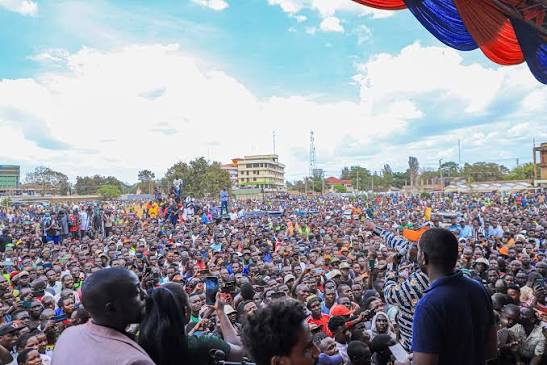
Every election season follows a familiar pattern. Roads begin to fill with campaign posters. Candidates travel from one town to another. Convoys become longer. Public rallies grow louder. Television cameras follow every speech while social media quickly decides who won the day.
To most people, this is where a campaign begins.
It is not.
In reality, the first campaign poster is one of the least important decisions in an election. It simply happens to be the first decision the public notices.
That tells us something important.
The most visible part of a campaign is rarely the part that determines whether it succeeds.
Inside the Strategy Room
Long before the first rally is announced or the first poster is printed, another campaign has already been unfolding for weeks, sometimes months. It takes place away from the crowds, inside meeting rooms, around tables covered with maps, research, calendars and endless cups of coffee. It is a place where ideas are challenged, assumptions are questioned and difficult conversations happen before confident decisions are made.
This is the strategy room.

Photo courtesy: StockCake
Ironically, it is one of the most important places in any campaign, yet almost nobody talks about it.
The strategy room is not where people gather to predict the future.
It is where they prepare for it.
It is where one uncomfortable question leads to another.
What are people really talking about? What matters most to different communities? What concerns are growing quietly before they become tomorrow’s headlines? Which conversations should the campaign lead? Which ones should it avoid? How do we earn trust before we ask people for their support?
These questions are rarely answered in public. They are debated behind closed doors, sometimes for hours, because every answer influences hundreds of decisions that follow.
Campaigns Are Built Around Decisions, Not Rallies
This is where many people misunderstand campaign strategy.
It is easy to believe that campaigns are built around rallies, speeches and posters.
They are not. Campaigns are built around decisions. That is the essence of Campaign Strategy Kenya today — decisions, not decoration.
Every public appearance is the result of dozens of invisible choices. Why this town and not another? Why this message today? Why this route? Why this audience? Why this response? Why now?
By the time the public applauds a speech, strategy has already done most of its work.
The Real Job Is Reducing Uncertainty
Perhaps the biggest lesson is this.
Campaign strategy is not really about convincing people. It is about reducing uncertainty before asking people to make a decision.
Every message, every visit and every engagement is an attempt to answer questions before the audience asks them.
Can this leader be trusted? Does this message solve a real problem? Will this promise make a difference?
That way of thinking should sound familiar to every communication professional. Whether launching a new product, introducing a public health campaign, managing a corporate reputation, organising a nationwide roadshow or preparing for an election, the principle remains remarkably similar.
The public sees execution. Professionals see preparation.
The public remembers the speech. Strategists remember the conversations that shaped it.
Perhaps that is why the best campaigns often appear effortless. What looks natural in public is usually the result of months of planning, listening, testing, adjusting and deciding long before anyone notices.
The next time you drive past a campaign poster or watch a candidate address a crowd, remember that you are not witnessing the beginning of the campaign.
You are witnessing the moment strategy finally becomes visible.
What This Looks Like on the Ground in Kenya

Strip away the podiums and the branded convoys, and the pattern is the same one we see in commercial campaigns across this market.
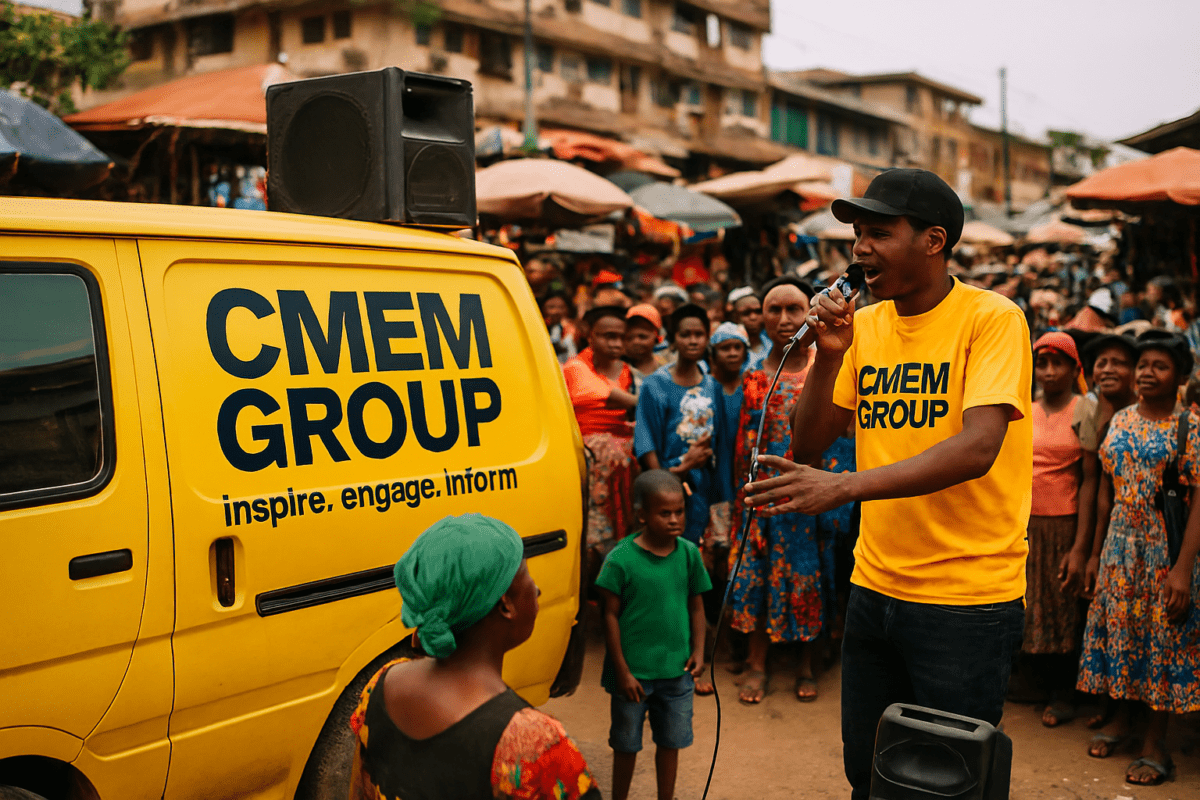
Before a product launch, the field team already knows which estates respond to sampling and which respond to price. Before a roadshow route is announced, someone has already mapped which towns have the highest dwell time for a similar activation, and which ones simply generate crowds without conversion.
Election strategy works the same way, at a larger scale. Before a candidate visits a constituency, someone has already asked what that constituency cares about this cycle — not what it cared about five years ago. Before a message is finalised, it has been tested against real conversations, not assumptions made in a strategy room far from the people it is meant to reach.
The discipline is identical. Listen first. Test before you commit. Let the ground correct the plan, not the other way around.
This is why the strategy room matters more than the stage. The stage only performs what the room has already decided.
Campaigns are not won when the posters go up. They are won when the right questions are asked before the posters are ever printed.
The posters are the easy part. The strategy room is where campaigns are actually won.
CMEM Group builds the invisible strategy behind visible campaigns — for elections, product launches and corporate reputation, across Kenya and East Africa.

 Centro Insights