
The Christmas Price Test
Why Winning the East African Consumer in 2026 Will Take More Than Discounts
- Consumer Behaviour
- Retail Strategy
- Brand Marketing
- East Africa
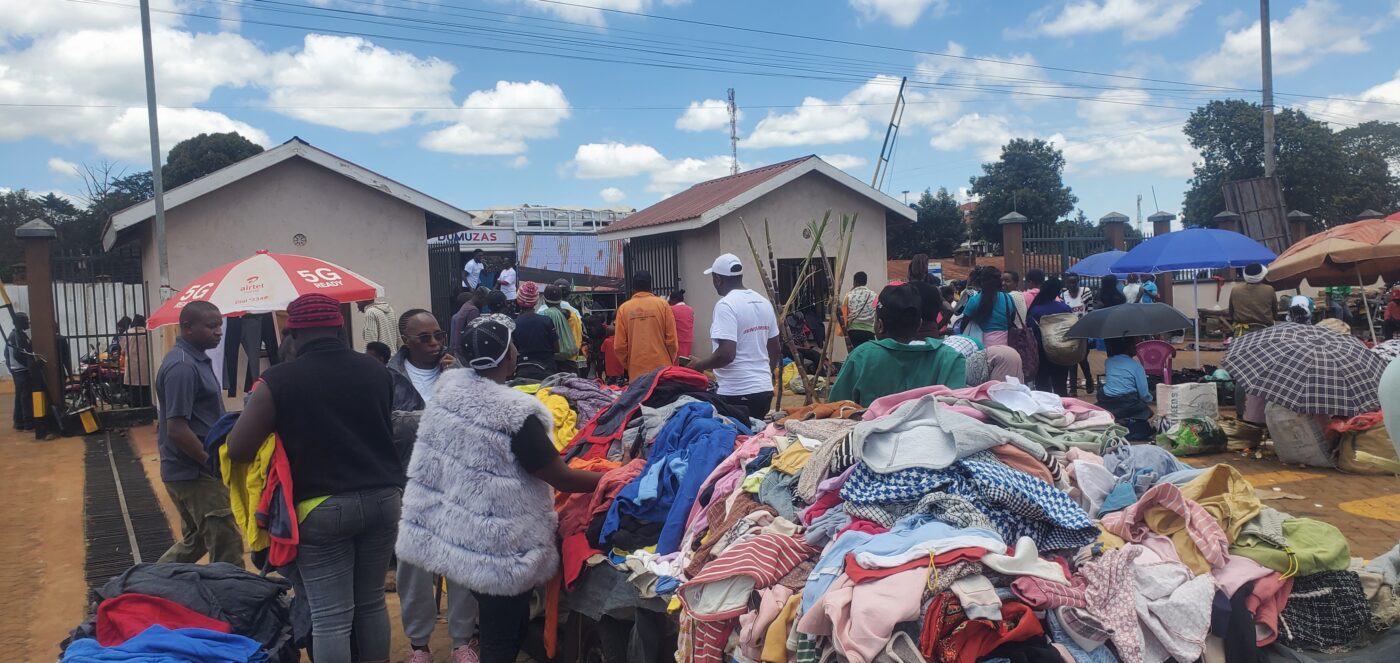
Christmas Marketing East Africa begins well before December. Every year, as November approaches, the commercial conversation across East Africa begins to change. Retailers look at stock, suppliers review their prices, brands prepare festive promotions and consumers begin making decisions about what they can afford, what they need and what can wait. In markets such as Gikomba in Nairobi, where traders work close to the realities of everyday purchasing, there are already conversations about seasonal demand and the possibility of prices moving upwards as Christmas approaches. Some traders are anticipating changes from around the middle of November. Whether those expectations translate into widespread retail price increases remains to be seen, but the signal is worth examining. The festive season is approaching, and the market is preparing for it.
For businesses, however, the important question is not simply whether prices will rise. It is whether brands understand the consumer who will be making the purchase. Christmas is a major commercial moment, but it is not a guarantee of unrestricted spending. A busy shopping street does not automatically mean that consumers have more money. A crowded supermarket does not mean every shopper is buying more. And a promotion attracting attention does not necessarily mean it is creating preference, trust or a profitable sale.
Across East Africa, the festive season presents a familiar opportunity with a changing set of conditions. Consumers are navigating household expenses, transport costs, competing financial priorities and an expanding range of places from which to buy. Businesses, meanwhile, must manage supply costs, inventory, distribution, competition and the pressure to close the year strongly. The brands that perform well will not necessarily be those with the loudest Christmas campaigns. They will be those that understand what value means to their customers and make that value easy to experience.
The Christmas Shopping Basket Is Changing
There is a tendency to speak about the African consumer as though the market were one large, predictable audience. In reality, consumer behaviour varies by country, income, location, household structure, product category and occasion. A family preparing for Christmas in Nairobi may make very different decisions from a household in Kampala, Dar es Salaam or Kigali. Even within one city, the purchasing priorities of a salaried professional, a small business owner, a student and a household dependent on irregular income will not be identical.
What connects many of these consumers is the need to make their money work harder. This does not necessarily mean that they abandon established brands or always choose the cheapest product. It can mean reducing the quantity purchased, changing pack sizes, postponing a discretionary purchase, comparing more retailers or prioritising products that offer dependable quality. A customer may still want a trusted brand, but may buy it less frequently or in a smaller quantity. Another may choose a product that lasts longer, even when its initial price is higher.
McKinsey’s State of Consumer Africa 2026 report describes a pragmatic shopper who is increasingly deliberate about value for money. Its research surveyed 9,036 consumers across five African markets, including Kenya, and found that consumers are making targeted trade offs rather than simply cutting every category of spending.[1] The research is not a survey of the entire East African Community, but it offers a useful view of the pressures and decision making shaping consumer markets on the continent.
For brands, this should change the way seasonal campaigns are planned. It is not enough to ask how many people can be reached or how much promotional material can be distributed. Businesses need to understand which products consumers are protecting in their budgets, which purchases they are reconsidering and what would persuade them to choose one brand over another. A festive campaign built around assumptions about what people want can spend heavily and still miss the actual buying decision.
Rising Costs Create a Difficult Price Conversation
Economic conditions provide important context, although they do not tell the whole story of an individual household. Kenya’s National Bureau of Statistics reported annual consumer price inflation of 7.3 per cent in October 2026. Food and non-alcoholic beverages recorded annual inflation of 10.2 per cent, while transport recorded 17.1 per cent.[2] These figures matter to marketers because food, mobility and household operating costs compete for the same money that might otherwise be available for discretionary shopping, gifts, entertainment and seasonal purchases.
Other East African markets have their own economic conditions. Uganda’s Bureau of Statistics reported annual inflation of 5.8 per cent for the twelve months to October 2026.[3] Tanzania’s National Bureau of Statistics reported an October headline inflation rate of 4.2 per cent.[4] Rwanda’s National Institute of Statistics reported annual inflation of 19.5 per cent in October 2026.[5] These are national headline measures calculated within each country’s statistical framework and consumer basket. They should not be read as a simple comparison of the cost of living across the four countries, but they demonstrate why a regional brand cannot assume that every market is operating under the same price conditions.
October 2026 headline inflation, annual
These national figures provide economic context, not a direct ranking of consumer affordability. Each market has its own price basket, household spending patterns and commercial realities.
The pressure is not limited to the consumer. Suppliers, manufacturers, distributors and retailers also face decisions about the cost of bringing products to market. Transport, energy, sourcing, storage and financing all influence the final price. A business may want to maintain affordable pricing while facing higher operating costs. A retailer may want to protect margins but worry that a price increase will send customers to a competitor. A brand may want to run an attractive promotion without teaching customers to wait for discounts before making a purchase.
This is where pricing becomes a strategic marketing decision rather than a last minute sales tactic. Businesses need to understand the difference between a price that attracts attention and an offer that genuinely improves the customer’s perception of value. If the product is difficult to find, the offer is poorly explained or the promotion creates uncertainty at the point of purchase, a reduced price alone may not be enough.
The Discount Trap: Cheaper Is Not Always Better
As Christmas approaches, businesses can become caught in a race to offer more. More discounts, more bundles, more competitions, more promotional messages and more visible activity. The logic is understandable. Consumers are comparing prices, competitors are fighting for attention and the end of the year creates pressure to deliver sales. Yet when every brand communicates a discount, the discount itself becomes less distinctive. Customers may begin to judge brands primarily by the size of the price reduction rather than by the value of the product or the experience attached to it.
This creates a difficult position for businesses that have invested in building a quality proposition. A brand that repeatedly relies on price cuts can weaken the perceived value of its normal selling price. Customers may postpone purchases until the next promotion, while retailers and suppliers absorb pressure on their margins. In the short term, a promotion may generate traffic. In the longer term, the business still needs customers who understand why the product deserves a place in their basket when the promotion ends.
That does not mean discounts are ineffective or should be avoided. It means they should have a purpose. A well designed offer can encourage trial, reward loyalty, support a product launch, move seasonal stock or help customers purchase a useful combination of products. The question is whether the promotion makes the purchase more attractive in a way that the business can sustain. A discount that creates a temporary spike without improving repeat purchase, customer understanding or brand preference may be less valuable than it appears.
Brands should also consider the mechanics of their offers. Is the saving clear? Is the product available? Does the promotion apply at the outlet where the customer expects to find it? Can frontline staff explain the terms? Are the advertised benefits consistent with what the customer receives at the till? These details can determine whether a promotion builds confidence or creates frustration.
The East African Opportunity Is Bigger Than One Market
East Africa is not simply a collection of separate national campaigns. Trade, distribution, digital platforms, travel, investment and business relationships increasingly connect markets across the region. The East African Community reported that total trade reached US$52.3 billion in the second quarter of 2026, an increase of 37 per cent compared with the same quarter of 2025. Exports within and beyond the region contributed to that performance, while intra African markets remained important to regional trade.[6]
The African Development Bank’s 2026 East Africa Economic Outlook also projected regional economic growth of 5.9 per cent for 2026, following estimated growth of 6.6 per cent in 2025.[7] These figures point to an important commercial opportunity, but growth at the regional level should not be confused with identical purchasing power or consumer confidence in every country. A business entering a new market still needs to understand local distribution, price expectations, competition, consumer culture and the practical realities of reaching its audience.
The regional picture
For brands operating in Kenya, Uganda, Tanzania and Rwanda, this creates an opportunity to build regional consistency without assuming that one execution will work everywhere. A campaign can have a shared strategic idea while adapting its language, product emphasis, price points, retail partners and activation mechanics to each market. The creative platform may travel, but the consumer insight must be local. A message that resonates in Nairobi may need a different expression in Kampala or Dar es Salaam. The product may be the same, but the route to purchase, retail environment and customer expectations may differ.
Regional expansion therefore requires more than translating advertising copy or placing the same branded materials in multiple countries. It requires a clear understanding of how products move, where customers shop, which channels influence decisions and what the brand must deliver after generating interest. Businesses that treat East Africa as a connected commercial opportunity while respecting its local differences are better positioned to build relevance beyond a single market.
The Last Mile Is Where Festive Marketing Succeeds or Fails
A brand can develop an impressive festive campaign, invest in media, create attractive promotional materials and generate considerable attention. But the customer does not experience the marketing plan. The customer experiences the product, the retailer, the sales interaction, the price, the availability and the service. If the advertised product is unavailable, if the offer is not understood or if the retail experience contradicts the campaign promise, the work invested in generating demand can be undermined at the final point of purchase.
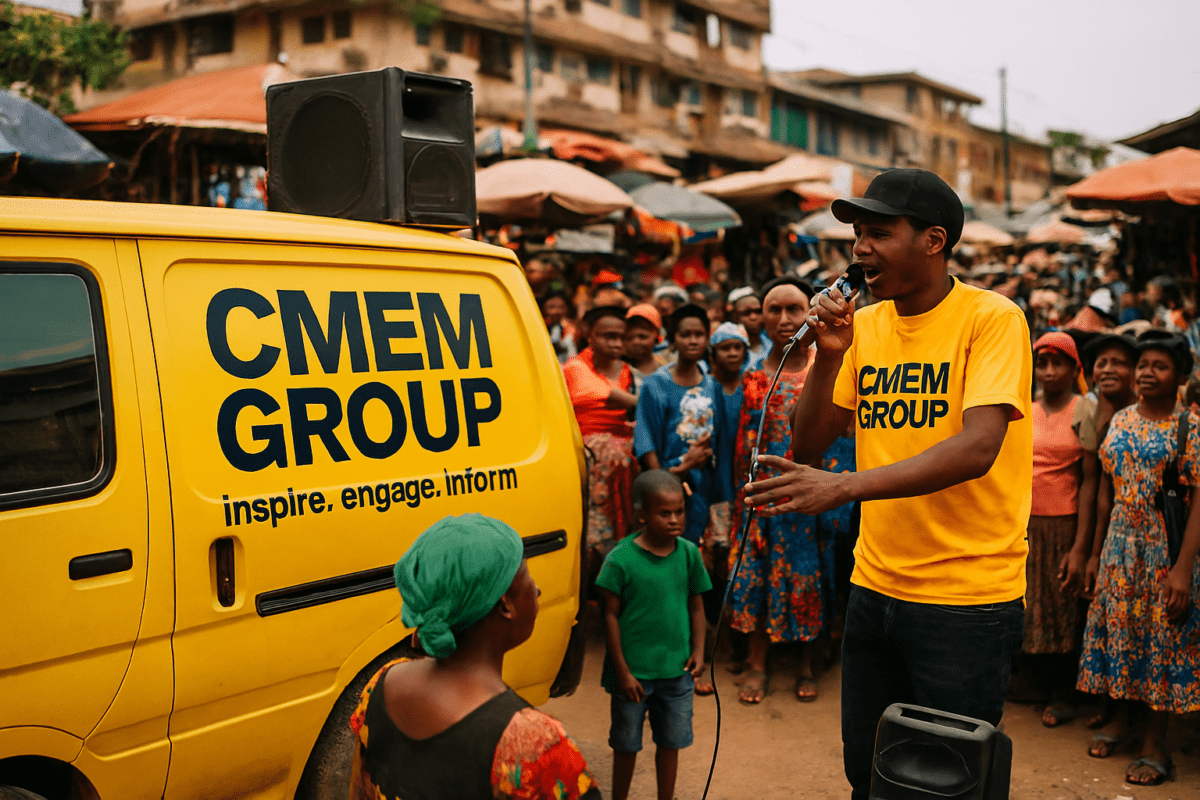
This is particularly important during seasonal periods when product demand, outlet traffic and operational pressure can change quickly. Retail visibility must do more than make a product noticeable. It should help shoppers identify the product, understand its benefit, recognise a relevant offer and make a confident decision. Merchandising should support the buying journey. Promotional teams should be trained to communicate accurately. Brand activations should create a useful interaction rather than simply gather a crowd. Field teams should be able to identify what is happening in the market and report it in a way that helps the business respond.
For businesses operating across different towns and countries, consistency becomes even more important. The brand should be recognisable, but execution must also reflect the realities of each outlet and market. A campaign that works in a large supermarket may need a different approach in an open air market, a neighbourhood shop or a wholesale environment. The objective is not to force every retail setting into one template. It is to ensure that the brand promise remains clear wherever the customer encounters it.
This is where integrated marketing becomes commercially valuable. Advertising creates awareness, digital platforms support discovery, promotions create a reason to act, and field execution helps convert interest into a real experience. These activities should not operate as isolated departments or disconnected suppliers. They should work together around the customer and the business outcome.
The January Question: What Happens After the Festive Rush?
One of the weaknesses of seasonal marketing is that businesses can become so focused on December that they overlook January. The festive season may generate traffic, trial and short term sales, but what happens when the promotions end, household budgets are reassessed and consumers return to their normal routines? Did the campaign attract new customers who are likely to buy again? Did it strengthen confidence in the brand? Did the business learn anything about its customers, its outlets or its distribution? Or did it simply spend more money to compete for attention during a crowded period?
The January question should influence the campaign before November ends. Businesses need to distinguish between promotional activity that creates a temporary transaction and marketing that contributes to longer term customer value. This requires better measurement. Sales volume matters, but so do product availability, outlet coverage, customer feedback, repeat purchase indicators, promotional redemption, distribution performance and the cost of acquiring customers. The right measures will depend on the category and campaign objective, but visibility alone is not a sufficient measure of commercial success.
There is also an opportunity to use the festive period as a source of market intelligence. Which products moved fastest? Which offers were understood? Where did customers ask questions? Which outlets experienced stock shortages? Which locations produced stronger engagement? What complaints or objections appeared repeatedly? These observations can help businesses improve their next campaign, refine their pricing strategy and make more informed decisions about the year ahead.
A brand that treats Christmas as the end of its marketing calendar may miss the opportunity to build a relationship that continues into the new year. The stronger approach is to plan the festive campaign and its follow through as one connected commercial journey.
What Brands Should Be Doing Now
With November already under way, businesses do not need another generic list of festive activities. They need to examine whether their commercial plans are aligned with the way people are actually buying. Start with the customer. Review the products, price points and offers that matter most to the intended audience. Look at the locations where customers are most likely to shop and assess whether stock, distribution and retail visibility can support the campaign. Ensure that promotional messages are simple, accurate and consistent across advertising, digital channels, retail outlets and frontline teams.
Next, examine the quality of the offer. A business should be able to explain why its product is worth buying beyond the fact that it is discounted. That value could come from quality, durability, convenience, service, reliability, a useful bundle or a well designed customer experience. The strongest offer is not necessarily the one with the largest percentage reduction. It is the one that makes sense to the customer and remains commercially sensible for the business.
Finally, prepare to measure what happens. Establish clear campaign objectives, agree on the indicators that will demonstrate progress and create a way for field teams and retailers to report market conditions. If a promotion is not working, the business should be able to identify why. If customers are responding positively, it should understand what is driving that response. The ability to listen and adjust is as important as the ability to launch.
The festive season should not be treated as a competition to be the loudest brand in the market. It should be treated as an opportunity to understand customers more closely, improve the buying experience and connect marketing investment to business outcomes. The brands that win are those that make their value visible, accessible and credible at the moment a customer is ready to buy.
The Christmas Season Is a Test of Brand Understanding
Across East Africa, Christmas 2026 will bring opportunity for retailers, manufacturers, distributors, service providers and the brands competing for consumer attention. But the commercial environment is not standing still. Consumers are making deliberate choices, businesses are managing cost pressures and the channels through which people discover and purchase products continue to evolve. The result is a market in which simply being visible is no longer enough.
Gikomba’s seasonal price conversations are a useful reminder that markets often signal change before it appears in a formal report. Traders observe stock movement, customer questions and supplier behaviour at close range. Retailers see what shoppers pick up, put back or compare. Field teams hear objections that may never appear in a boardroom presentation. These everyday observations matter because they help businesses understand the real conditions behind the numbers.
The opportunity for brands is to bring these perspectives together. Use economic data to understand the wider environment. Use customer insight to understand changing priorities. Use pricing and promotions to offer genuine value. Use retail visibility and experiential activity to make the brand easier to choose. And use measurement to understand whether the investment is producing meaningful results.
That is the real price test, and it is one every serious brand operating in East Africa should be preparing to take.
At CMEM Group, we work with brands across Kenya, Uganda, Tanzania and Rwanda to connect festive strategy with what actually happens on the ground. Our work in experiential marketing, brand activations, retail visibility, merchandising and field execution sits at the point where a price, an offer and a brand promise meet the customer.
Because the Christmas price test is not taken in a boardroom. It is taken at the shelf, the stall and the till.
Research and References
This article draws on official economic releases and published consumer research. National inflation figures are reported using each country’s own statistical methodology and are included as market context rather than as directly comparable measures of affordability.
- McKinsey & Company, State of Consumer Africa 2026: Meeting the Pragmatic Shopper, October 2026.
- Kenya National Bureau of Statistics, Consumer Price Indices and Inflation Rates, October 2026.
- Uganda Bureau of Statistics, Consumer Price Index, October 2026.
- National Bureau of Statistics, Tanzania, National Consumer Price Index, October 2026.
- National Institute of Statistics of Rwanda, Consumer Price Index, October 2026.
- East African Community, EAC Trade Reaches USD 52.3 Billion as Exports Drive Surplus in Q2 2026, September 2026.
- African Development Bank, East Africa Economic Outlook 2026.
CMEM Group has been nominated for Best BTL Agency in East Africa.
If our work on the ground has helped your brand, we would be grateful for your vote.
CMEM Group has been nominated. If our work has helped your brand, we would value your vote.
Behind this nomination are the field teams, activators and retailers we work with every day across Kenya, Uganda, Tanzania and Rwanda. Thank you for backing them.
Make every customer interaction work harder for your brand.
Strong seasonal marketing takes more than a good idea. It requires strategy, creative thinking, disciplined field execution and an understanding of what moves customers at the point of purchase. Centro works with brands to connect marketing strategy with real market experiences across Kenya and the wider East African region.
- Brand Strategy & Creative
- Integrated Media & Activation
- Experiential Marketing
- Retail Visibility & Merchandising
- Digital Marketing
- Events Management
Planning a festive campaign, a retail activation, a regional roadshow or your 2027 marketing programme? Let’s discuss how to make it more effective.

 Centro Insights