BTL activation Kenya brands rely on just got its biggest global classroom and it is happening right now at FIFA World Cup 2026
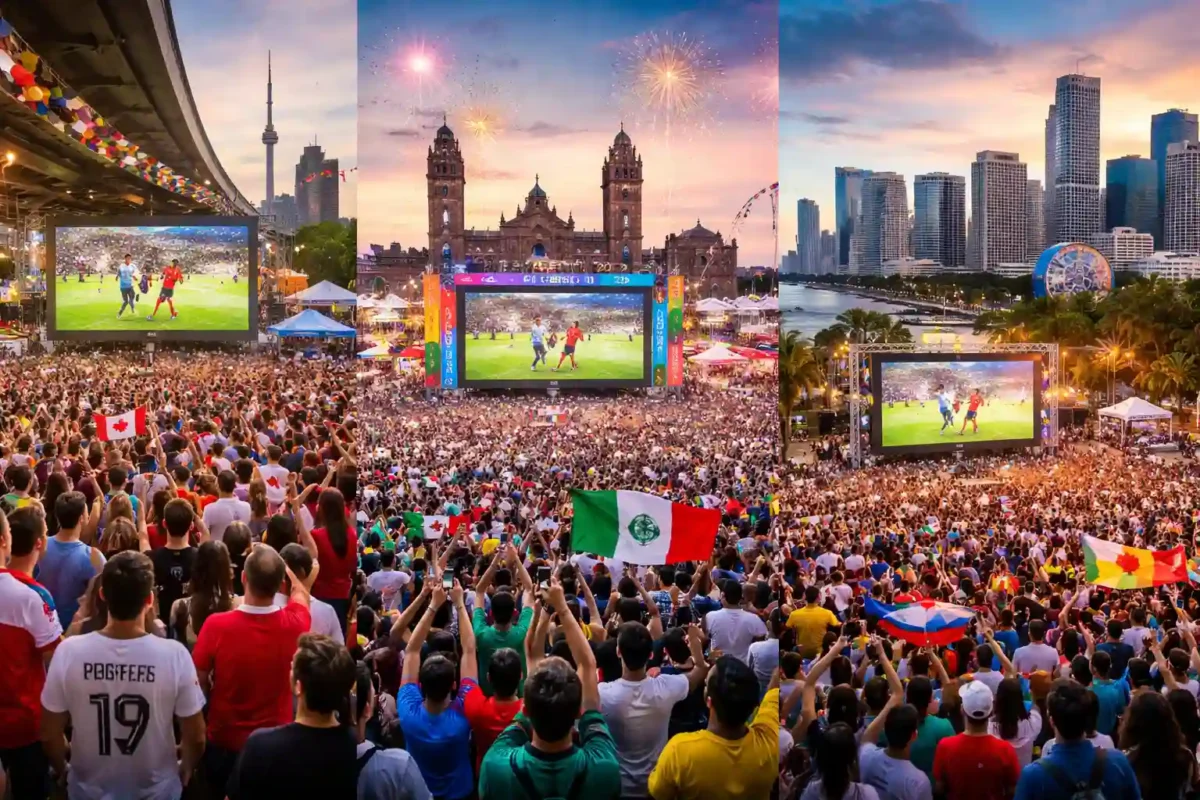
Across 16 host cities in the United States, Canada, and Mexico, brands are deploying some of the most ambitious, creative, and human-led activation strategies ever seen at a global sporting event. The scale is unprecedented 48 teams, 104 matches, an estimated 6 billion viewers worldwide, and over 6.5 million fans attending in person.
But here is what makes this moment relevant beyond North America.
Right now, in bars in Nairobi, living rooms in Kisumu, and fan zones in Mombasa millions of Kenyan consumers are watching the same tournament. The same emotional energy that brands are activating around in Dallas and Los Angeles exists right here at home.
And most Kenyan brands are leaving that energy completely untapped.
This is the first in a series of Centro Insights posts we will be publishing as the World Cup progresses — drawing live lessons from the biggest BTL and experiential marketing event on the planet, and translating them directly into what brands can apply in the Kenyan market.
LESSON 1: THE BEST ACTIVATIONS DON’T FEEL LIKE MARKETING
The most repeated insight coming out of FIFA 2026 brand strategy briefings is also the most important one.
The activations that are winning are not the ones with the biggest budgets or the loudest branding. They are the ones that feel human, seamless, and genuinely connected to the fan experience.
As one experiential agency working at the tournament put it the most effective activations don’t feel like marketing at all. They feel like a very hospitable person was right there.
Dove Men+Care didn’t just buy a sponsorship. They built immersive “Ritual House” activations in host cities like Kansas City, New York, and Miami spaces where fans could experience the brand rather than simply see it. Limited edition product drops. Ticket giveaways. Moments designed to feel like gifts rather than advertisements.
Home Depot brought outdoor viewing parties and DIY fan zones tailored to each city’s culture and community connecting their brand to the local identity of each host city rather than rolling out a generic national campaign.
The same principle drives effective BTL activation in Kenya.
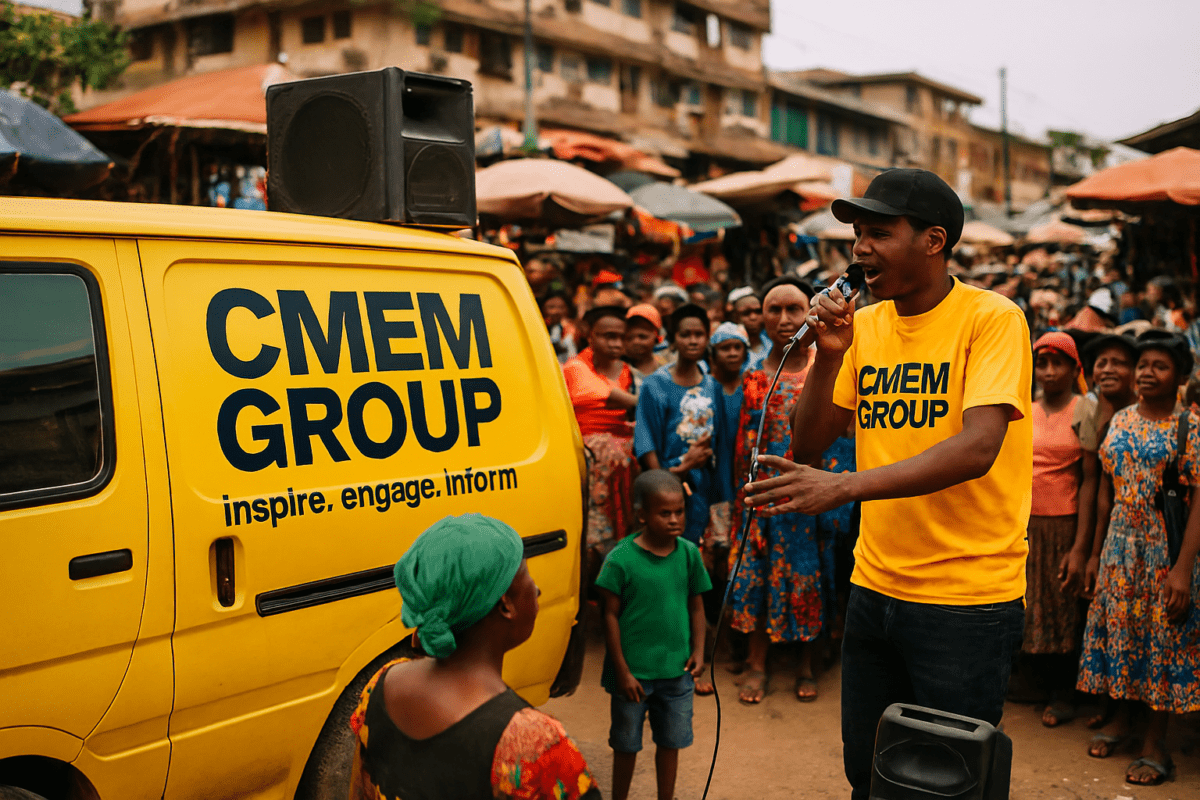
A brand that shows up in a Nairobi bar with a trained ambassador, a product experience, and a genuine reason to engage will always outperform one that simply puts up a branded banner and hopes someone notices.
Presence without experience is just noise
LESSON 2: STREET TEAMS ARE THE MOST POWERFUL AND ACCESSIBLE ACTIVATION FORMAT
You do not need a FIFA sponsorship to win at World Cup marketing.
Across the host cities, the most consistently effective activation format and the most accessible to brands of all sizes is the street team deployment. Trained brand ambassadors working high-traffic zones around stadiums, transportation hubs, fan areas, and entertainment districts.
No venue fees. No FIFA partnership required. No complex infrastructure.
Just well-briefed, well-deployed human beings creating direct consumer engagement at the exact moment when emotional energy is at its highest.
This is the BTL playbook applied at global scale. And it is available to Kenyan brands right now not in Dallas or Los Angeles, but in the same locations where Kenyan consumers are gathering to watch the matches.
The sports bar on Ngong Road on a match night. The mall food court showing the game on a big screen. The estate gathering around a communal television. These are Kenya’s fan zones and they are activation opportunities that most brands are walking past without a second thought.
A brand ambassador with product samples, a simple mechanic, and the right brief can create more meaningful consumer engagement in one evening at a World Cup watch party than a week of digital advertising.
LESSON 3: FAN ZONES ARE THE NEW RETAIL SHELF
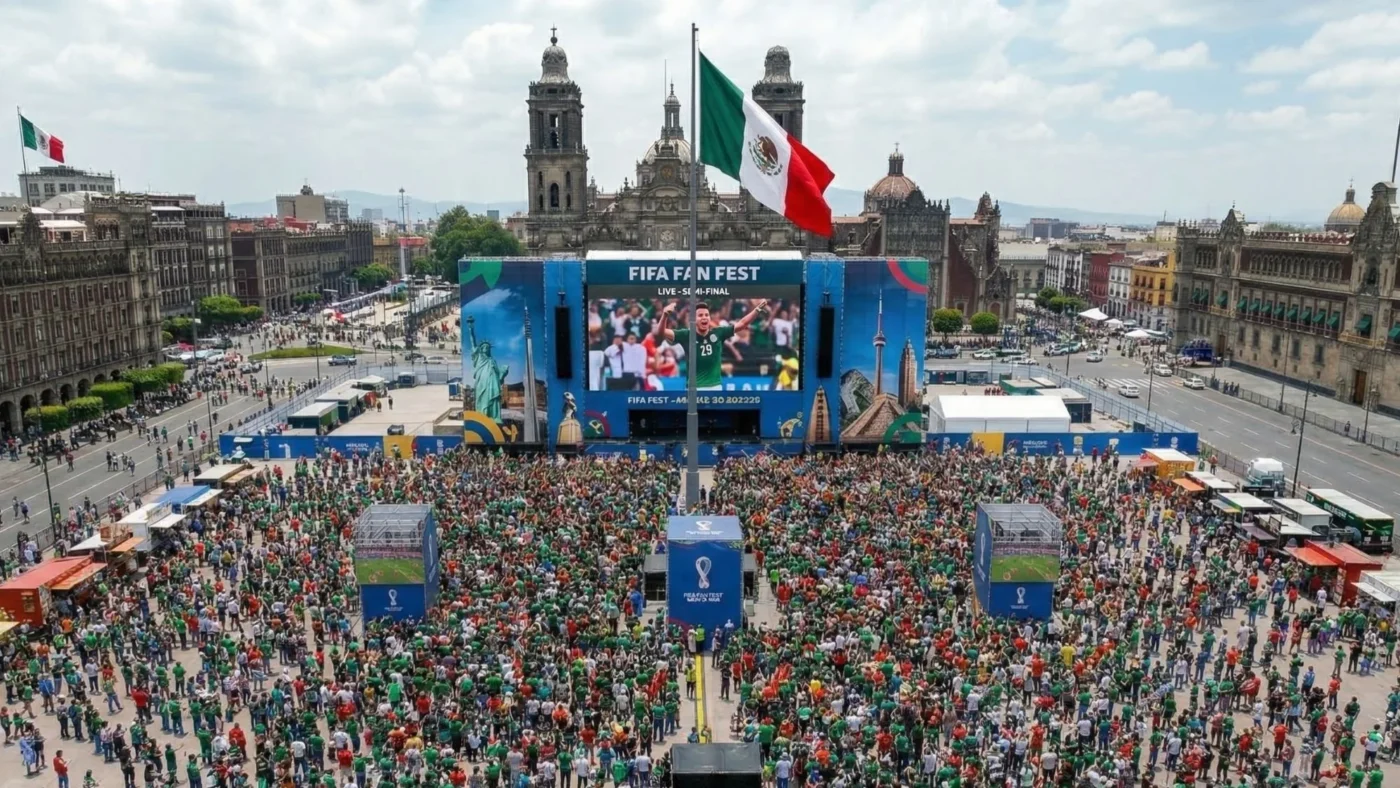
One of the defining BTL stories of FIFA 2026 is the transformation of fan zones from passive viewing areas into full commercial environments.
At official FIFA Fan Festivals in host cities, you’ll find live match broadcasts, cultural programming, food vendors, and interactive brand activations to engage fans before, during, and after matches.
Nielsen data from the tournament shows that 64% of football fans actively track sponsors and prefer sponsor brands when making purchases. The fan zone is not just an entertainment space. It is a high-intent commercial environment where consumers are emotionally engaged and open to brand experiences in a way that normal retail environments rarely achieve.
In Kenya, the equivalent is already emerging. Supermarkets, bars, restaurants, and malls are all hosting World Cup viewing events. Brands that activate inside these spaces with product sampling, demonstrations, competitions, and giveaways tied to match moments are reaching consumers at peak emotional engagement.
That is a fundamentally different quality of attention than a consumer scrolling past an ad on their phone.
LESSON 4: AI IS MAKING ACTIVATIONS SMARTER — NOT REPLACING THE HUMAN ELEMENT
One of the most talked-about activation tools at FIFA 2026 is the AI-powered photo experience booths where fans can see themselves placed inside country-themed visuals, team-inspired moments, and sponsor-branded environments, creating instant emotional connection and highly shareable content.
These tools are fast, intuitive, and generate branded content that extends across social platforms long after the activation has ended. Every interaction becomes a content asset.
But the critical insight is this AI is enhancing the activation, not replacing the human at the centre of it. The photo experience still requires a brand ambassador to invite the fan in, explain the mechanic, create the moment, and send them away with a positive brand memory.
Technology accelerates reach. People create trust.
For Kenyan brands, this is an important signal. As AI tools become more accessible, the brands that integrate them intelligently into their field activations will generate both deeper engagement and better data. But the human element the trained ambassador, the genuine interaction, the physical touchpoint — remains the foundation that makes the technology meaningful.
LESSON 5: CULTURAL RELEVANCE IS THE DIFFERENCE BETWEEN ACTIVATION AND IMPACT
Perhaps the most sophisticated BTL lesson coming out of FIFA 2026 is how the best brands are approaching cultural localisation.
Rather than deploying a single global campaign across all 16 host cities, the leading brands are tailoring their activations to the specific cultural identity of each location. Indigenous art in Vancouver. Mariachi in Guadalajara. Latin Caribbean heritage in Miami. Each activation feels native to its environment rather than imported from a global playbook.
In Kenya, this principle is not optional it is essential.
A campaign that works in Westlands may need a completely different approach in Gikomba. An activation designed for a Nairobi mall audience will land differently at a Kisumu community event. Language, cultural reference points, the right local face, and a mechanic that feels relevant to the specific community these are the variables that separate an activation that converts from one that simply takes up space.
The brands winning at FIFA 2026 understand that global reach is built through local relevance.
That is as true in Kenya as it is in any World Cup host city.
WHAT THIS MEANS FOR KENYAN BRANDS RIGHT NOW
The FIFA World Cup 2026 is not just happening on screens in North America. It is happening in every bar, every living room, and every fan zone across Kenya for the next several weeks.
The emotional energy, the community gathering, and the shared experience that makes World Cup marketing so powerful globally it is all available to Kenyan brands right now, without a FIFA sponsorship and without a North American marketing budget.
The brands that act on this will generate consumer engagement, brand memory, and commercial conversion during one of the highest-attention periods of the year.
The ones that don’t will watch their competitors do it instead.
We will continue to update this series as the tournament progresses drawing live lessons from the activations making the biggest impact globally and translating them into what matters for the Kenyan market.
Read our previous post on why Kenyan consumers trust people more than brands: https://cmemgroup.com/kenyan-consumers-trust-people-more-than-brands/
And our breakdown of how BTL execution must be measured for real commercial results: https://cmemgroup.com/how-modern-btl-must-prove-roi/
Is your brand ready to activate around the World Cup energy in Kenya?
At CMEM Group we deploy trained brand ambassadors and field teams across Kenya and East Africa helping brands show up at the right moments with the right people.
Let’s talk about your next activation.

 Centro Insights